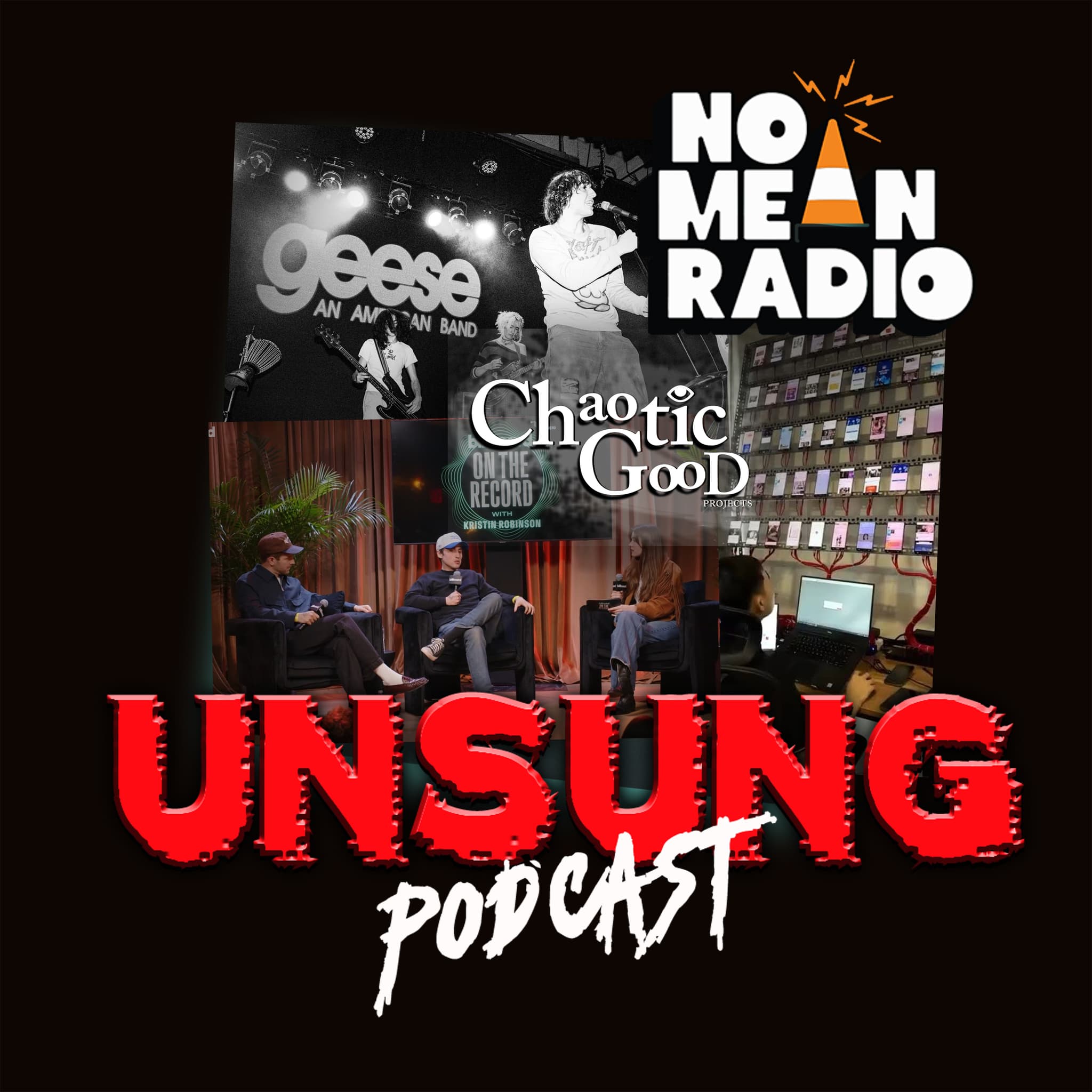
Most businesses require marketing in order to generate sales and, ultimately, success. We’re all aware of this: our feeds are flooded with ads on a daily basis because, when we really get down to it, all platforms are an ad business first and foremost. This means that when you’re an artist trying to promote your wares, you probably need to do marketing in order to get people to pay attention and generate new fans. For most small artists, trying to break through the noise is a thankless and, frankly, onerous task. One may hope for some kind of virality in the hope of obtaining many viewers that you can convert into fans, but the truth about virality is that nine times out of ten, it doesn’t work. No, what you need to do is commit to the grind and slowly churn out content in the hope of training the algorithms just enough that your content is placed before the right audience at the right moment. But what if you could circumvent all that? What if you could just pay someone a large amount of money to create momentum on your behalf by utilising fake accounts to push you into that algorithm? That’d sure be great, huh? In essence, that’s what some marketing agencies do. Agencies like Chaotic Good. Their name is probably familiar. They went somewhat viral themselves earlier this year when they spoke about how they achieve huge internet success for their artists via dubious means. They were, in fact, very blasé about it. Soon afterwards it transpired that they were running campaigns for the band Geese, a medium-sized weird indie band that, in 2025, suddenly found themselves riding a wave of success due to an apparent groundswell of support on TikTok. It’s taken us a while to address this issue. We wanted the dust to settle a bit before really trying to capture our thoughts, and we think we’ve done a pretty good job here. This week, we dig into the Billboard interview that started it all, the services Chaotic Good offered, and how bot farms, paid contractors and armies of fake fan pages actually work. We ask whether any of it is legal, why virality so rarely turns into real fans or ticket sales, and what it means for artists who’d rather not play this game. Then it gets bleaker: AI slop, industry plants, and what happens to a culture that can no longer tell what’s real. Everything you ever wanted to know about the seedy world of major label music marketing but were afraid to ask... it’s all covered here in this week’s episode. Timestamps 00:00 Introduction 02:00 Why Chaotic Good, and Why We Waited for the Dust to Settle 09:00 Who Are Chaotic Good? SXSW, Origins & the Client List 13:00 "We Know How to Go Viral": Rival Agencies & a Hologram of a Herd 18:00 The Four Services: Narrative Campaigns, UGC, Fan Pages & Brands and Media 36:00 Scale, Not Skill: Discord Clippers & the Failures You Never See 39:00 Flooding the Comments: NASCAR Memes, Dance Cats & Identity Fraud 41:00 Human-Like Accounts, TikTok's Six Billion Deletions & the CAPTCHA Sidebar 43:00 Juicing Accounts & the Bot Farm Question 48:00 Paid Humans as Bots & "Is It Okay Because It's Art?" 52:00 Where Else Do Bot Farms Go? Politics, Films & Repurposed Infrastructure 54:00 "That's the Internet": Organic Behaviour at Inorganic Scale 57:00 Virality vs Success: Vanity Metrics & the Marketing Funnel 1:01:00 When Fake Fans Don't Buy Tickets: Pulled Tours & Underselling Shows 1:11:00 Music Was Never a Meritocracy 1:12:00 The AI Arms Race: Dancing Baby Slop & More 1:15:00 Conclusions: Hubris, Money & "Engineer's Disease" 1:19:00 Gaslighting on an Industrial Scale & TikTok as Astroturf 1:22:00 Overt vs Covert Marketing: The Man Behind the Curtain 1:29:00 Wrap-Up: Next Week's Satryicon & Sign-Off